


Espresso
Build Your Bar
Machines and essentials for a serious home espresso setup.
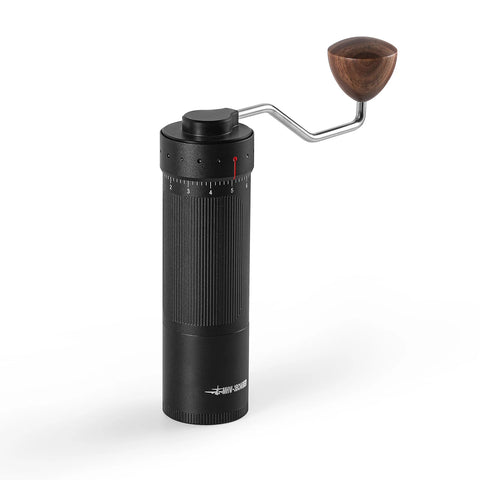
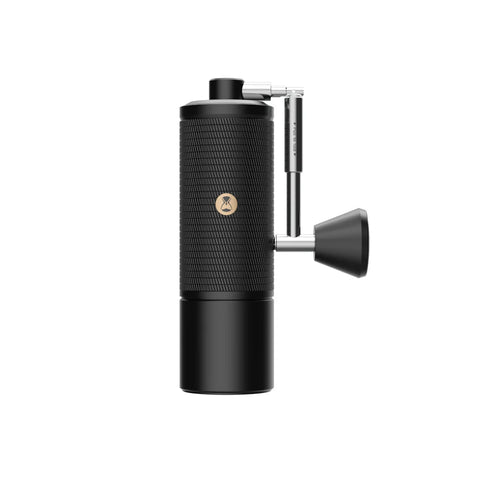
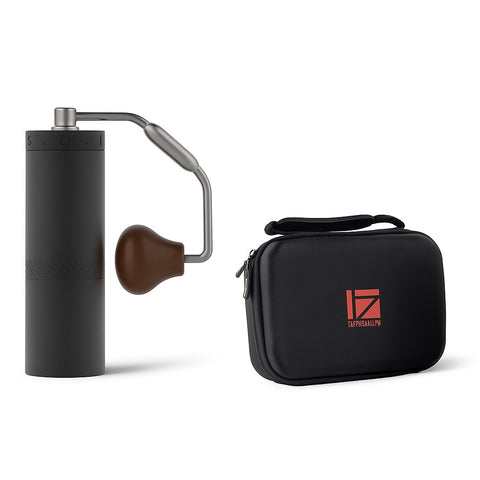
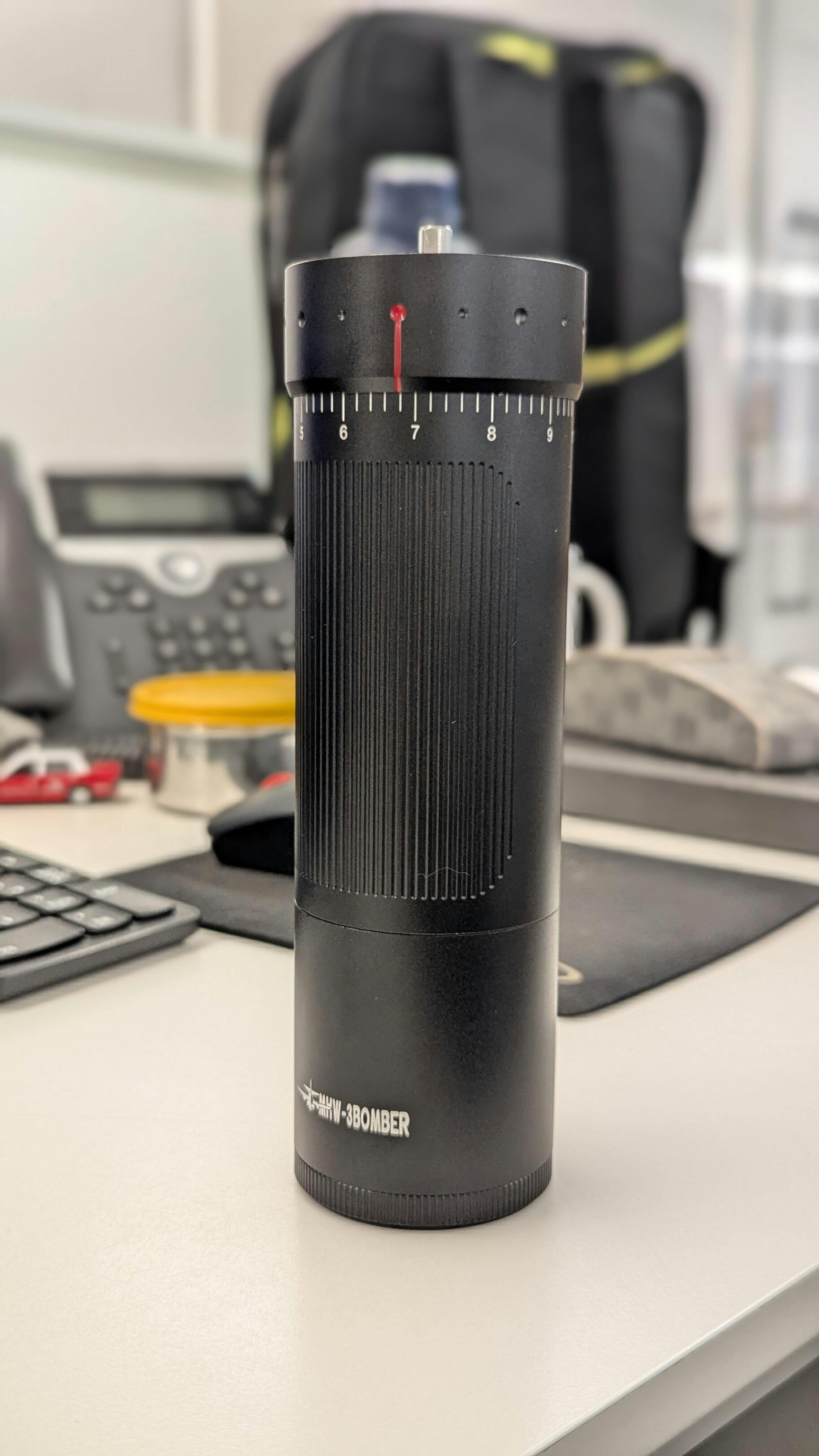
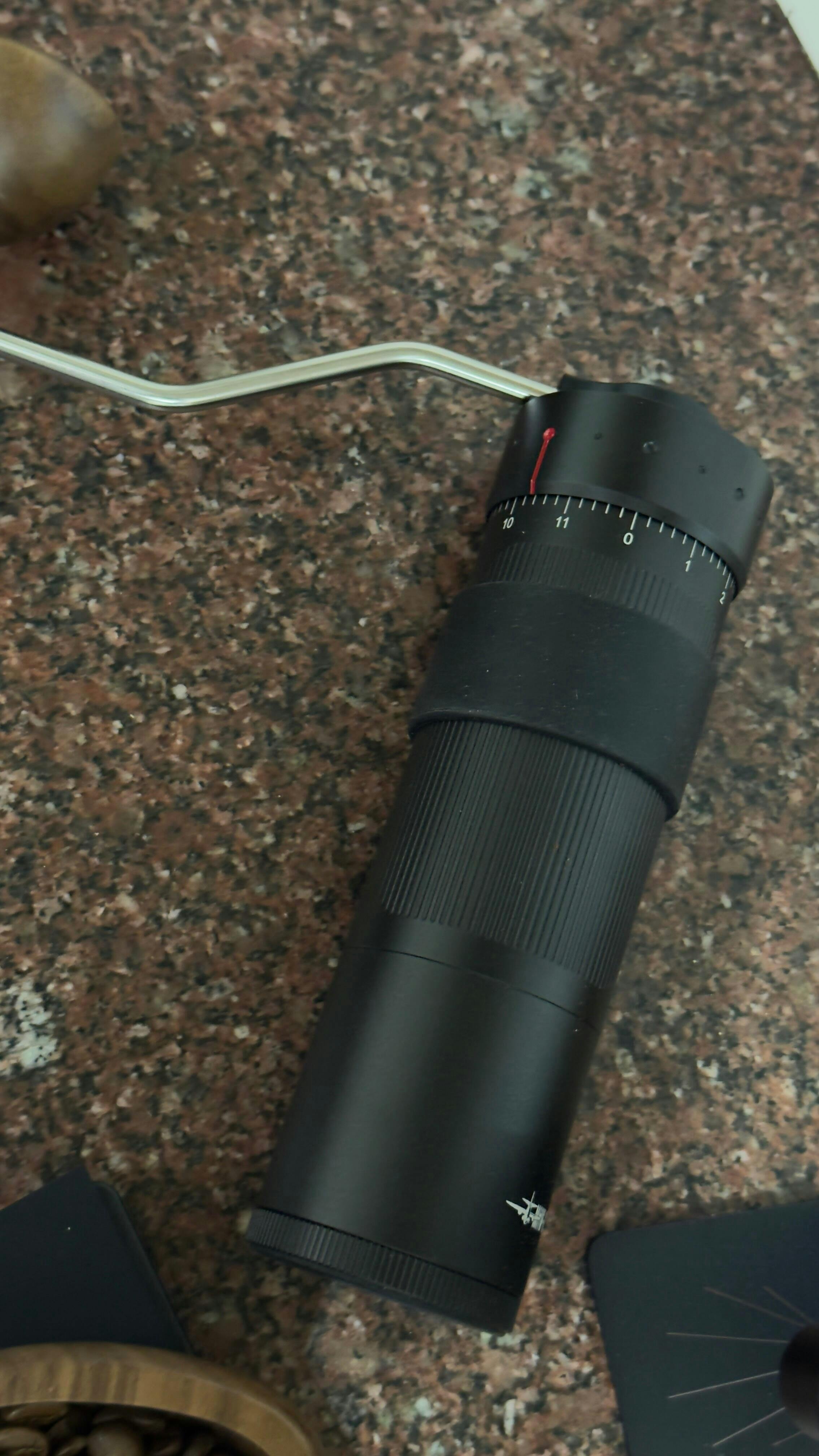
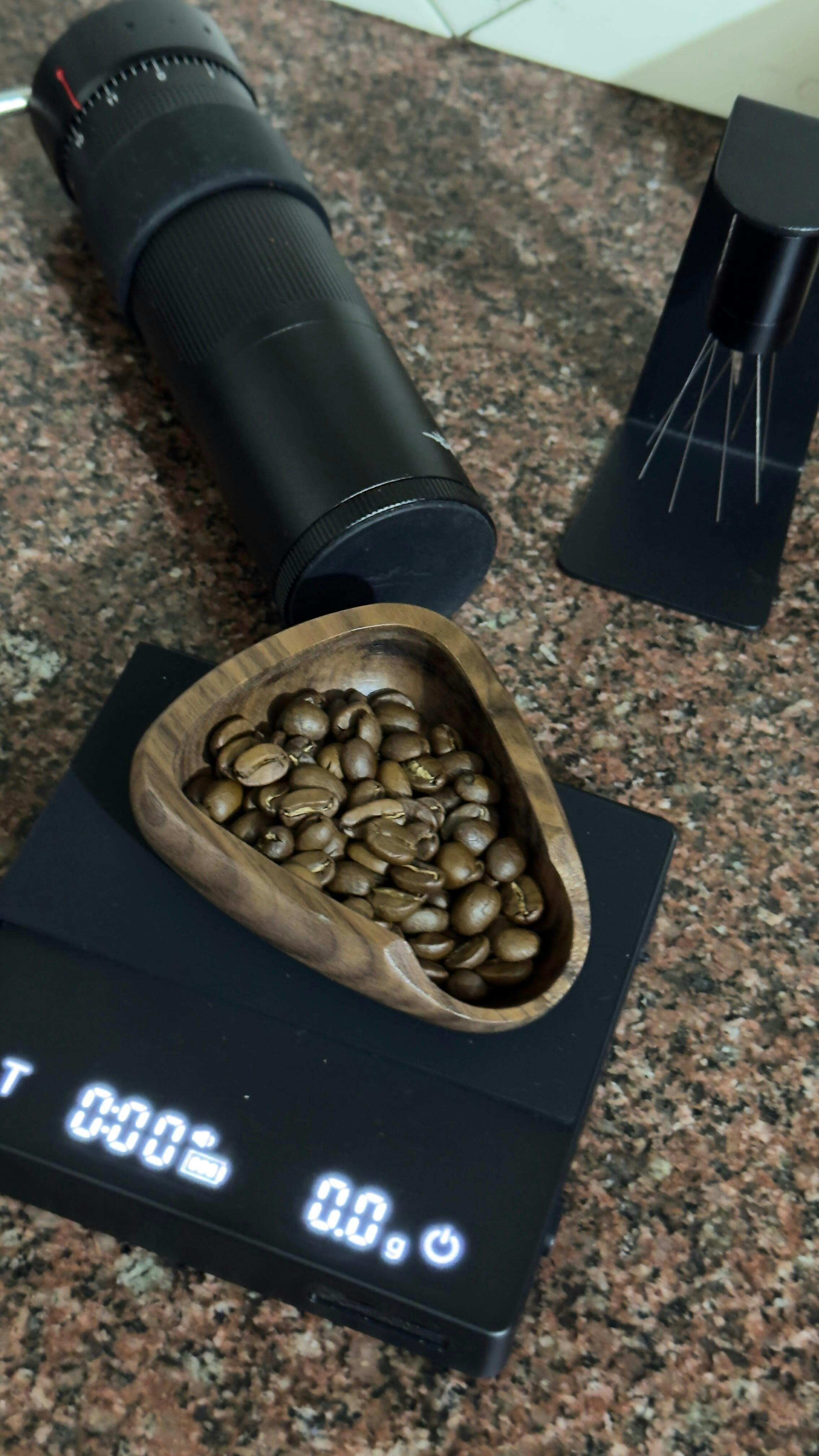
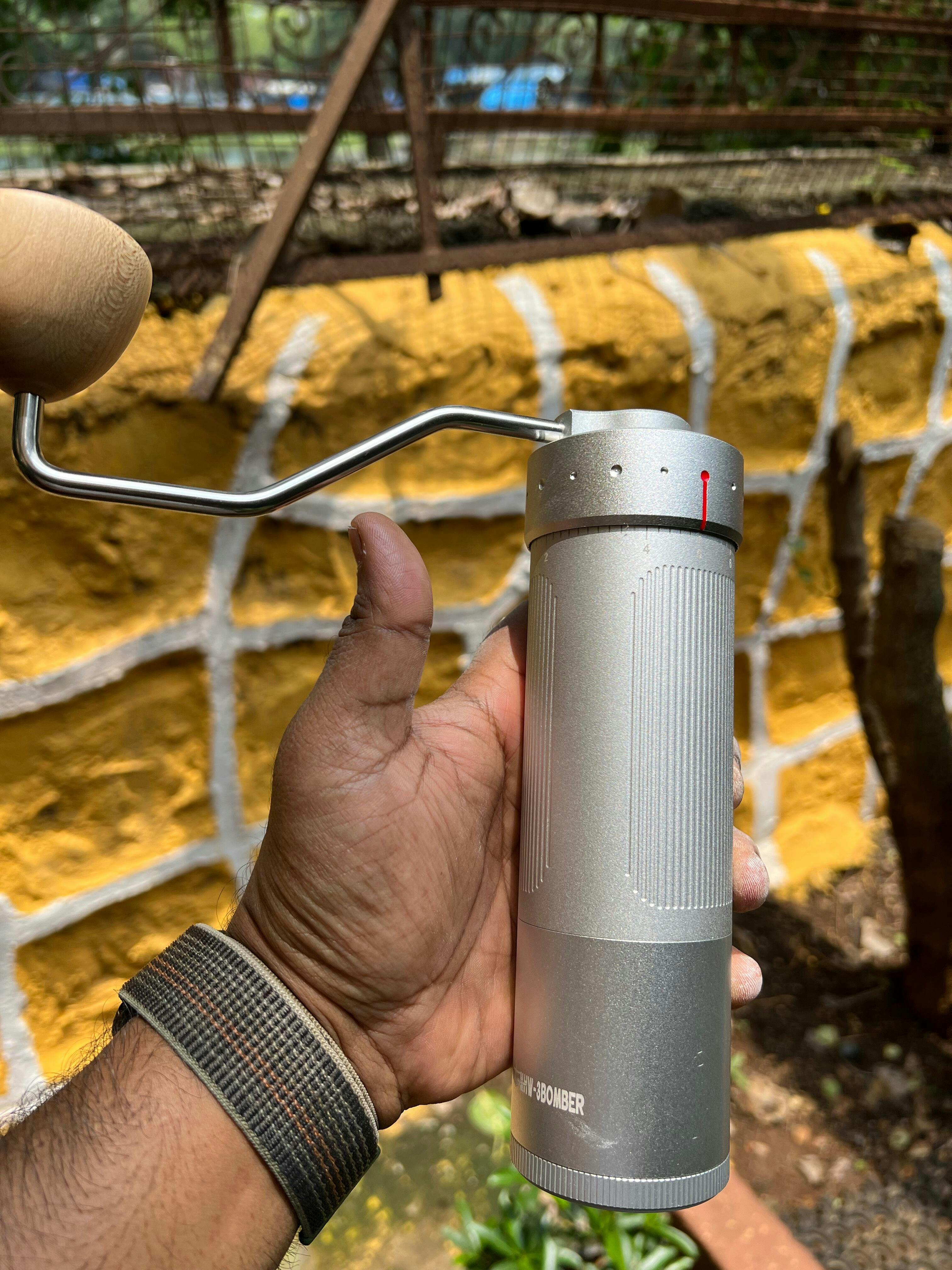
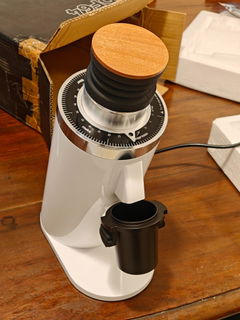
Everything you need to start grinding.
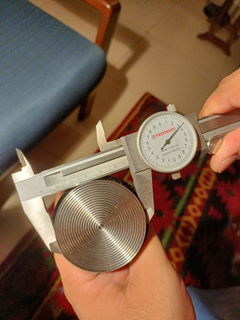
Grind-size reference discs.
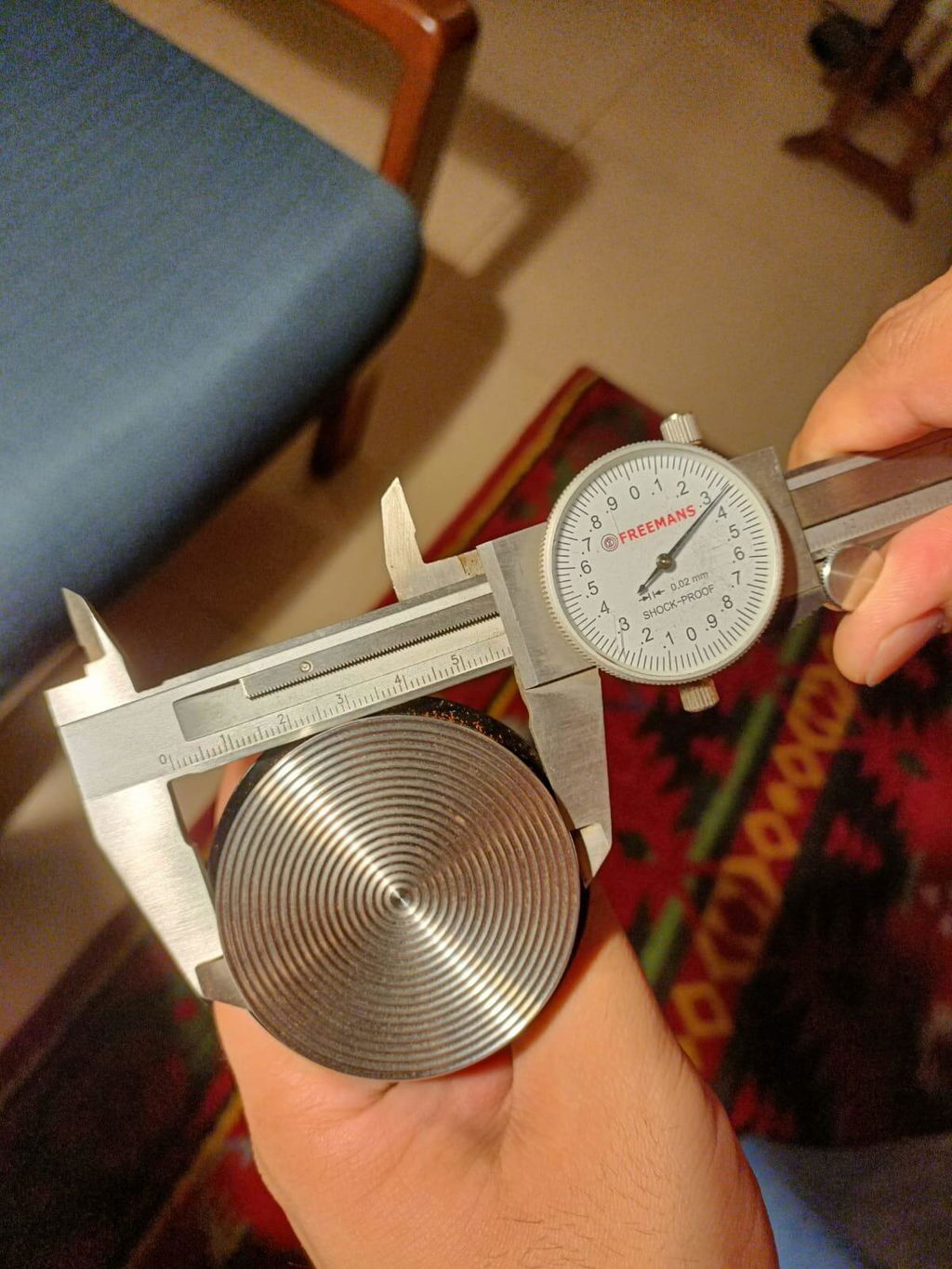
For the burr chamber.
Quick-start and reference.
Compare side by side.
A hand grinder uses manual cranking to grind beans, giving you full control over grind speed and consistency. They're quieter, more portable, and often produce less heat — which preserves coffee flavour. Electric grinders are faster and more convenient for daily use, but a good hand grinder often outperforms electric grinders at 2–3× the price.
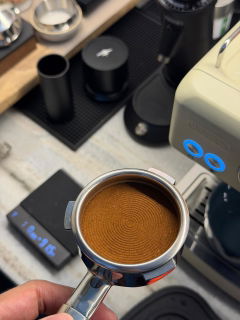
Espresso needs a fine grind, pour-over and drip need medium, French press needs coarse. Most hand grinders come with a reference guide, and you can fine-tune from there by taste.
Disassemble the burr chamber, brush out retained grounds with the included brush, and wipe the body. Deep clean monthly with a dry brush. Never use water on the burrs — it causes rust and damages the coating.
For a typical 15–18g espresso dose, expect 30–60 seconds depending on grind size and burr quality. Pour-over grinds faster (coarser setting) — usually under 30 seconds.
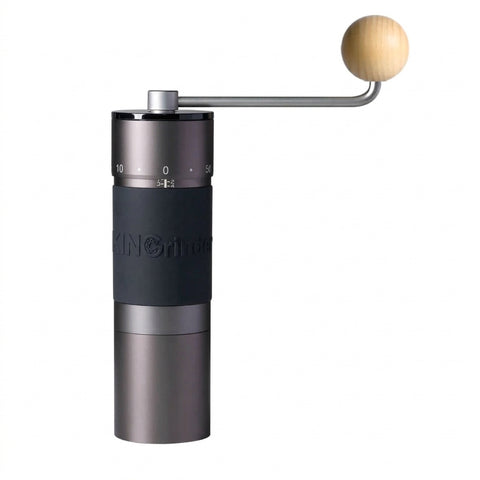
It depends on the grinder. Models with 48mm+ burrs and fine adjustment steps (like the 1Zpresso J-Ultra or KINGrinder K6) handle espresso well. Entry-level grinders with smaller burrs are better suited to pour-over and French press.
External adjustment means you turn a dial on the outside of the grinder to change grind size — no disassembly needed. Internal adjustment requires removing parts to access the adjustment ring. External is faster, more convenient, and lets you switch between brew methods without hassle.