Five Regions, Five Flavours: A Map of Indian Single-Origin Coffee

India is the world's sixth-largest coffee producer (Source: Coffee Board of India). Most Indians have never tasted what Indian coffee actually tastes like.
India's Coffee Belt
From the Western Ghats to the Eastern Ghats — five regions, five distinct flavour profiles
Chikmagalur · Coorg · Araku Valley · Wayanad · Nilgiris
That opening line is not an exaggeration. For decades, India exported its best beans — to Italy, Japan, Scandinavia — while the domestic market ran on instant coffee. Bru and Nescafe became synonymous with "coffee" for an entire generation. The actual flavour of Indian-grown coffee — the terroir, the variety, the processing — was something foreigners knew better than Indians.
That era is ending.
Domestic coffee consumption in India has grown from under 10% of production to over 30%. The specialty coffee market is projected to hit USD 6.28 billion by 2030 (Source: Grand View Research). And a new wave of Indian roasters, cafes, and home brewers is discovering something remarkable: some of the most complex, interesting coffee in the world grows a few hundred kilometres from their homes.
This is a guide to where it grows, what it tastes like, and why it matters.
What "Single Origin" Actually Means
When a bag of coffee says "single origin," it means the beans come from one specific place — a country, a region, sometimes a single farm. The opposite is a blend, where beans from multiple origins are mixed together.
Why does this matter? Because coffee, like wine, reflects where it was grown. The soil composition, altitude, rainfall, temperature, surrounding vegetation, and how the beans were processed after picking — all of this shows up in your cup. A blend smooths these differences out. A single origin puts them front and centre.
Indian coffee has five distinct growing regions. Each one tastes genuinely different from the others.
1. Chikmagalur, Karnataka
Where it all started

Shade-grown coffee plantation in Chikmagalur. Photo: Wikimedia Commons (CC BY-SA 4.0)
Every cup of Indian coffee traces back to these hills. In the 17th century, a Sufi mystic named Baba Budan returned from a pilgrimage to Mecca with seven coffee beans hidden in his robes. He planted them in the hills that now bear his name — the Baba Budan Giri range in Chikmagalur.
Those hills still grow coffee. And it's exceptional.
Chikmagalur's secret is shade. Coffee here doesn't grow in open fields under the sun — it grows beneath a dense canopy of silver oak and fig trees, interplanted with pepper, cardamom, and vanilla. This is called agroforestry, and it's not just environmentally superior. It makes better coffee. The shade slows bean maturation, giving sugars and organic acids more time to develop. That's why Chikmagalur Arabica has a brightness and complexity you won't find in sun-grown coffee.
Roast it light and you get jasmine, bergamot, a flash of berry. Take it to a medium roast and the fruit settles into a warm, wine-like quality. It's the coffee that makes people say: I didn't know coffee could taste like this.
2. Coorg (Kodagu), Karnataka
The reliable daily drinker

Coffee estate in Coorg (Kodagu), Karnataka. Photo: Wikimedia Commons (CC BY-SA 4.0)
If Chikmagalur is where Indian coffee was born, Coorg is where it grew up. This is India's largest coffee-producing district — roughly a third of the country's output comes from here.
Coorg sits a little lower and a little warmer than Chikmagalur, and you taste the difference. The coffee is fuller-bodied, less acidic, rounder. Where Chikmagalur dazzles, Coorg comforts.
The region grows both Arabica and Robusta, and some of the best Coorg coffee blends the two. The Arabica brings sweetness and nuance. The Robusta adds body, earthiness, and that thick crema that espresso lovers chase. A well-made Coorg blend tastes like dark chocolate and roasted almonds, with a finish that lingers on your palate.
This is also the default profile for South Indian filter kaapi — and there's a reason millions of people drink it every morning. It's approachable, satisfying, and nearly impossible to screw up in any brew method.
If you're new to single origins, start here.
3. Araku Valley, Andhra Pradesh
The story that matters

Coffee plants in Araku Valley. Photo: Wikimedia Commons (CC BY-SA 3.0)
Araku Valley is tucked in the Eastern Ghats, about 120 kilometres from Visakhapatnam. It's beautiful, remote, and produces coffee that has made it to specialty cupping tables in Paris, Tokyo, and Seoul.
But the real story is who grows it.
Araku coffee is cultivated almost entirely by Adivasi tribal communities — cooperatives of indigenous farmers who've tended these forests for generations. Their farming is fully organic — not as a certification strategy, but because that's how they've always done it. No pesticides, no synthetic fertilisers. Coffee grows in biodiverse forests alongside jackfruit, mango, and black pepper.
The result is a coffee of unusual purity. Araku Arabica, especially when lightly roasted, has a brightness and cleanliness that surprises people who think all Indian coffee is heavy and dark. Notes of sweet lime, mandarin peel, a suggestion of raw honey. Light-bodied, almost tea-like. Delicate in a way that rewards attention.
The Araku Coffee brand now has cafes in Bengaluru and Mumbai, and exports to France, Japan, and South Korea. International specialty buyers are paying attention. So should you.
4. Wayanad, Kerala
The bold one

Hills of Wayanad, Kerala. Photo: Wikimedia Commons (CC BY-SA 4.0)
Wayanad doesn't apologise for being Robusta country.
For years, Robusta has been dismissed in specialty circles — "the cheap bean," the filler in instant coffee. That reputation was never fair, and Wayanad is proving it wrong. Well-grown, well-processed Wayanad Robusta is intensely flavourful: deep, chewy, chocolatey. It has twice the caffeine of Arabica and a syrupy body that produces the kind of thick, persistent crema that makes espresso visually stunning.
The humid tropical climate of Kerala's Western Ghats gives these beans their character. You taste the earth, the spice, the weight. A Wayanad Robusta shot isn't elegant — it's powerful. It stands up to milk in a way that lighter coffees simply can't.
And here's the thing: that Bru filter coffee your grandmother made? The strong, sweet, milky kaapi from a steel tumbler? The beans underneath that tradition were almost certainly a Robusta blend from this part of South India. Wayanad isn't exotic. It's home.
If you love bold, unapologetic, strong coffee — or if you mainly drink lattes and cappuccinos — this is your region.
5. Nilgiris, Tamil Nadu
The rare find

Nilgiri Hills in the Western Ghats. Photo: Wikimedia Commons (CC BY-SA 4.0)
The Nilgiris — Tamil Nadu's "Blue Mountains" — are famous for tea. Almost nobody talks about the coffee. That's changing, slowly, because Nilgiri coffee is extraordinary.
At up to 2,000 metres, these are the highest coffee-growing altitudes in India. Extreme altitude means cool nights, slow maturation, and an intensity of aroma that lower-grown coffees can't match. It's the same principle that makes Ethiopian and Kenyan highland coffees so prized — and Nilgiri coffee is often compared to both.
Light roasts bring out jasmine, white flower, and a sharp, citrusy acidity that feels almost effervescent. The body is lighter, the finish clean and quick. It's the opposite of what most people expect from "Indian coffee" — and that's exactly what makes it exciting.
Nilgiri single origins are relatively rare. When you find one, brew it as a pour-over and pay attention. This is specialty-grade Indian coffee at its most refined.
At a Glance
| Region | State | Bean | Body | Acidity | Flavour Notes |
|---|---|---|---|---|---|
| Chikmagalur | Karnataka | Arabica | Medium | High | Berry, citrus, floral, wine |
| Coorg | Karnataka | Arabica + Robusta | Full | Low | Chocolate, nut, caramel |
| Araku Valley | Andhra Pradesh | Arabica | Light | Medium-High | Citrus, honey, clean |
| Wayanad | Kerala | Robusta | Full | Low | Chocolate, tobacco, earth |
| Nilgiris | Tamil Nadu | Arabica | Light | High | Floral, jasmine, tea-like |
What Makes Indian Coffee Different From the Rest
🌿
Shade-grown as standard
Most Indian coffee grows under forest canopy — not on open plantations. This produces slower-developing, more complex beans and protects biodiversity. It's not a premium practice here. It's just how coffee is grown.
🌧️
Monsoon Malabar
India's most famous coffee export. Harvested beans are exposed to monsoon winds for 12-16 weeks, swelling in size and transforming in flavour: almost zero acidity, heavy body, pipe tobacco, baking spice. European espresso roasters have been buying it for decades.
🫚
Grown alongside spices
Indian coffee shares its soil with cardamom, pepper, clove, and vanilla. The microclimate — roots, decomposing leaves, shared soil biology — lends Indian coffee a subtle spice undertone that trained tasters consistently identify.
🗺️
Range that rivals giants
From Chikmagalur's bright Arabica to Wayanad's heavyweight Robusta, India covers a flavour spectrum that many much larger producing countries can't match.
Where to Start
If you've never tried Indian single-origin coffee, here's the order that will make the most sense to your palate:
1. Coorg — Familiar, balanced, forgiving. Works in every brew method. You'll like it immediately.
2. Chikmagalur — Your "aha" moment. The first time you taste fruit and flowers in coffee naturally.
3. Araku Valley — Once you can taste acidity as a good thing, Araku's clean citrus character will click.
4. Wayanad — When you want intensity. Especially in espresso-based milk drinks, Wayanad Robusta is unbeatable.
5. Nilgiris — Save this for when your palate is calibrated. A great Nilgiri is a genuine experience.
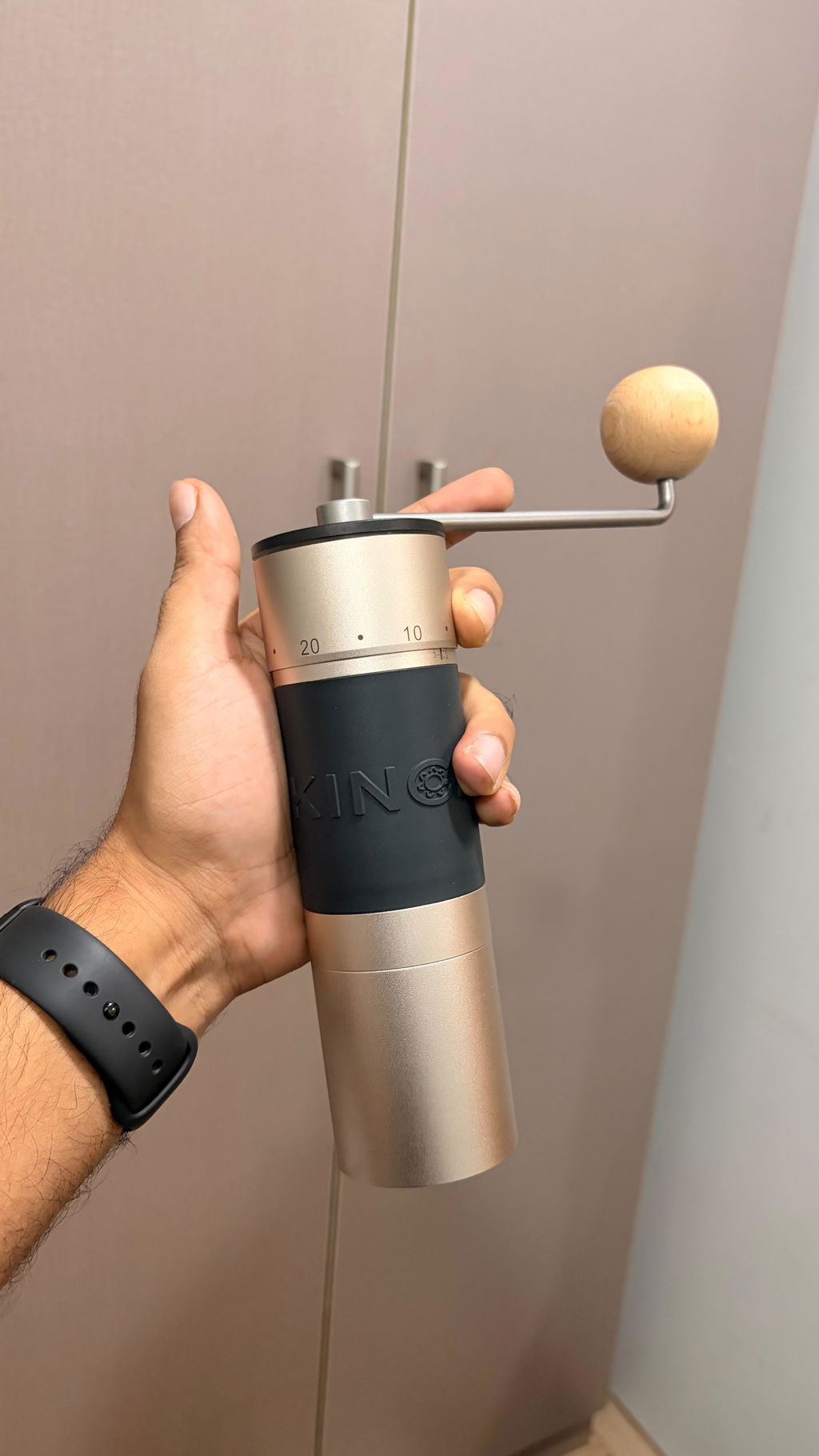
The key to unlocking all of this: fresh beans and a proper grinder. Pre-ground coffee, no matter how good the origin, loses most of its character within days of grinding. If you're going to explore Indian single origins, grind fresh. It's the difference between looking at a photo of a sunset and actually standing there watching it.
Brew It Right
To get the most out of single-origin beans, you need the right equipment. Here are our recommendations:

DF64 Gen 2
The grinder that unlocks single-origin flavour

HiBREW H10A
Temperature control to dial in each origin

Gaggia Classic E24
The machine for coffee you want to savour
What's Next
At Fix Coffee, we've been equipping Indian home baristas with the machines, grinders, and accessories they need to brew cafe-quality coffee. The equipment story is well underway.
The beans story is just beginning.
Stay tuned.
Setting up your first home espresso station? Read our equipment guide for recommendations at every budget.
Follow @fixcoffeeindia on Instagram for brewing tips, equipment reviews, and the occasional strong opinion about coffee.
Frequently Asked Questions
What is single-origin coffee?
Single-origin coffee comes from one specific place — a country, region, or single farm. Unlike a blend (where beans from multiple origins are mixed), single-origin coffee lets the characteristics of that specific terroir come through in your cup: the soil, altitude, rainfall, and processing method all show up in the flavour.
Which Indian coffee region produces the best Arabica?
Chikmagalur is widely regarded as producing India's finest Arabica. Its shade-grown, agroforestry cultivation at 1,000–1,500m altitude produces beans with jasmine, bergamot, and berry notes at light roasts, and a warm wine-like complexity at medium roasts. Coorg is a close second for Arabica quality.
What does Indian single-origin coffee taste like?
It depends on the region. Chikmagalur: floral, citrus, berry. Coorg: chocolate, malt, mild spice. Araku Valley: stone fruit, bright acidity. Wayanad: full-bodied, earthy, cocoa. Nilgiris: clean, sweet, versatile. Indian coffee is generally lower in acidity than East African origins and more complex than most South American commercial coffee.
Where can I buy Indian single-origin coffee beans?
Indian specialty roasters including Blue Tokai, Subko, Corridor Seven, and Curious Life roast and sell beans from all five major growing regions. Look for the region name and processing method (washed, natural, honey) on the bag — these details predict what your cup will taste like.